QC should answer questions, not decorate a listing
High-resolution photos are useful only when they show the angles that matter. A glossy wrist shot can make a watch look attractive while hiding bezel alignment, case thickness or movement details. Use a fixed sequence so every watch is judged the same way.
1–3: identity, dial and bezel
- Confirm the target reference family. Record size, dial, material, bracelet/strap and movement claim.
- Check a straight-on dial photo. Look at Tapisserie scale, markers, logo, hands, date aperture and subdial positions.
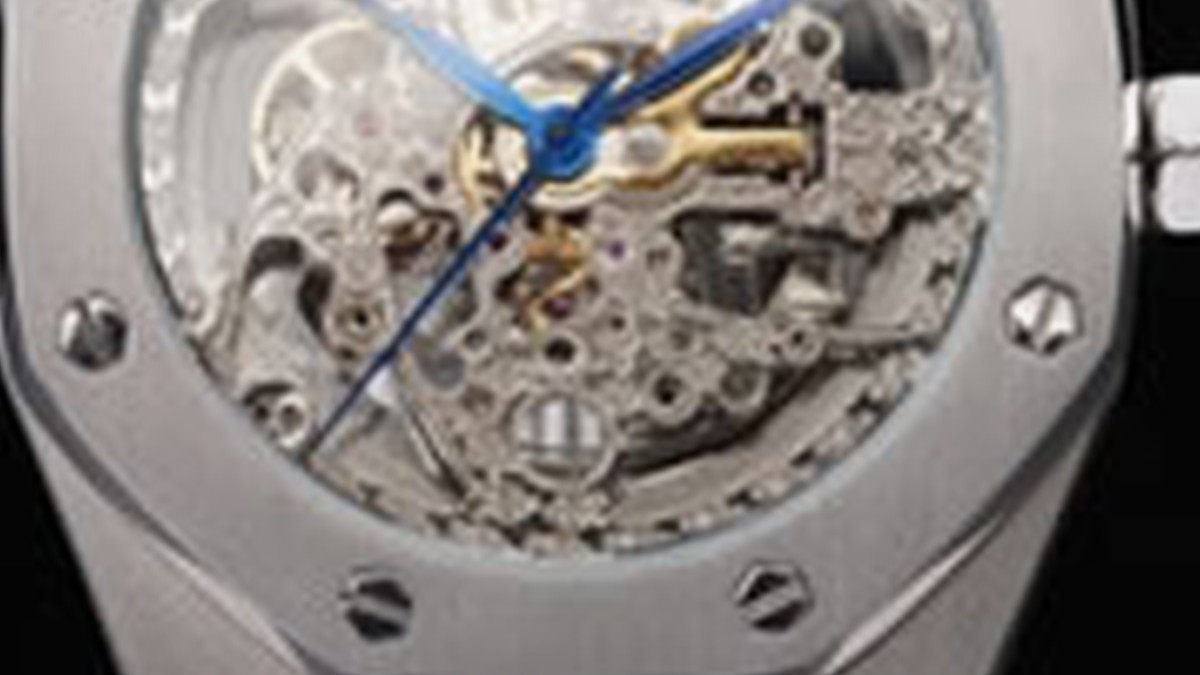
- Inspect bezel geometry. Check octagon symmetry, screw recesses and brushing/polished transitions.
4–6: profile, bracelet and caseback
- Request a side profile. Judge total thickness, bezel/mid-case stack and crown/pusher height.
- Inspect bracelet or strap. Check first-link stance, taper, clasp/buckle and visible gaps.
- Inspect the caseback. Compare the visible movement with the seller’s claim; decoration is not proof of architecture.
7–9: functions
- Test winding and time setting. The crown should operate without obvious slipping or extreme roughness.
- Test the date. Check alignment and a date change; do not assume every reference changes instantaneously.
- For chronographs, run start-stop-reset. Watch hand return and whether all claimed counters function.
10–12: condition, water and paperwork
- Scan for physical damage. Bezel nicks, stripped screws, dial dust, scratched crystal and bracelet damage should be visible before shipment.
- Treat water resistance separately. Request an individual pressure test if water use matters.
- Save the QC set and written terms. Keep the exact images/video and movement/configuration claim tied to the order.
Reject or accept?
Not every small cosmetic variation deserves rejection. Prioritize structural or difficult-to-correct issues: wrong case, wrong dial layout, poor chronograph geometry, severe bracelet fit, non-working functions or major damage. Minor alignment or finishing preferences are more subjective.
After delivery
Repeat the function checks in person. Inspect under neutral light, confirm the watch matches QC and have water resistance tested before swimming or showering with it. A seller’s generic rating is not a substitute for testing the individual watch.
Ask for serial QC in one session when possible
When a seller provides photos and a function video, it is useful if they can be tied to the same watch in one QC session. Small identifying details—protective film, dust marks or a temporary tag—can help confirm that the photographed watch and the video watch are the same piece.
Check hand clearance on complicated dials
On chronographs or other multi-hand layouts, watch the hands pass each other. Poor hand-height setup can cause rubbing or intermittent stoppage. This is difficult to diagnose from photos and is another reason a short running video is valuable.
Listen as well as look
A phone video cannot diagnose a movement, but unusual grinding, scraping or very loud rotor noise may justify asking additional questions. Do not expect silence from every automatic movement; use sound as a prompt for more evidence rather than a pass/fail rule.
Inspect screw heads before shipping
Damaged screw slots or tool marks on a new watch can indicate rough assembly or prior adjustment. This matters on the Royal Oak because visible bezel and bracelet hardware are part of the design.
QC is most useful when it can stop shipment
A checklist has value only if the seller will actually correct or replace a watch when a meaningful problem appears. Ask how QC rejection works before payment or before the seller sources the watch. If every defect is dismissed as “normal,” the existence of QC photos does not provide much protection.
Set your rejection thresholds in advance. A slightly off-center screw can be subjective; a non-working chronograph, visibly crooked marker, wrong dial layout, severe bracelet gap or chipped ceramic part is easier to define. Clear thresholds make the QC conversation faster and reduce last-minute decisions based on excitement.
Use neutral lighting for the final approval
Colored LEDs, strong studio reflections and heavy image processing can hide dial color shifts and make polished surfaces look cleaner than they are. At least one QC set should use neutral white light without extreme reflections. This is particularly useful for checking steel finishing, dial texture and whether gold-tone components match each other.
Do not approve under time pressure
QC works best when you can compare the images against a saved reference sheet rather than approving immediately in chat. If the seller sets a short approval window, prepare your checklist in advance. A rushed approval is most likely to miss wrong configuration details, bracelet gaps and movement/function questions that were never photographed.