Is “Swiss made replica” a reliable quality grade?
No. Treat it as a claim that needs an exact movement and build description. Country or marketing language does not tell you whether case proportions, bracelet finishing or movement functions are correct.
Which AP replica is easiest to get right?
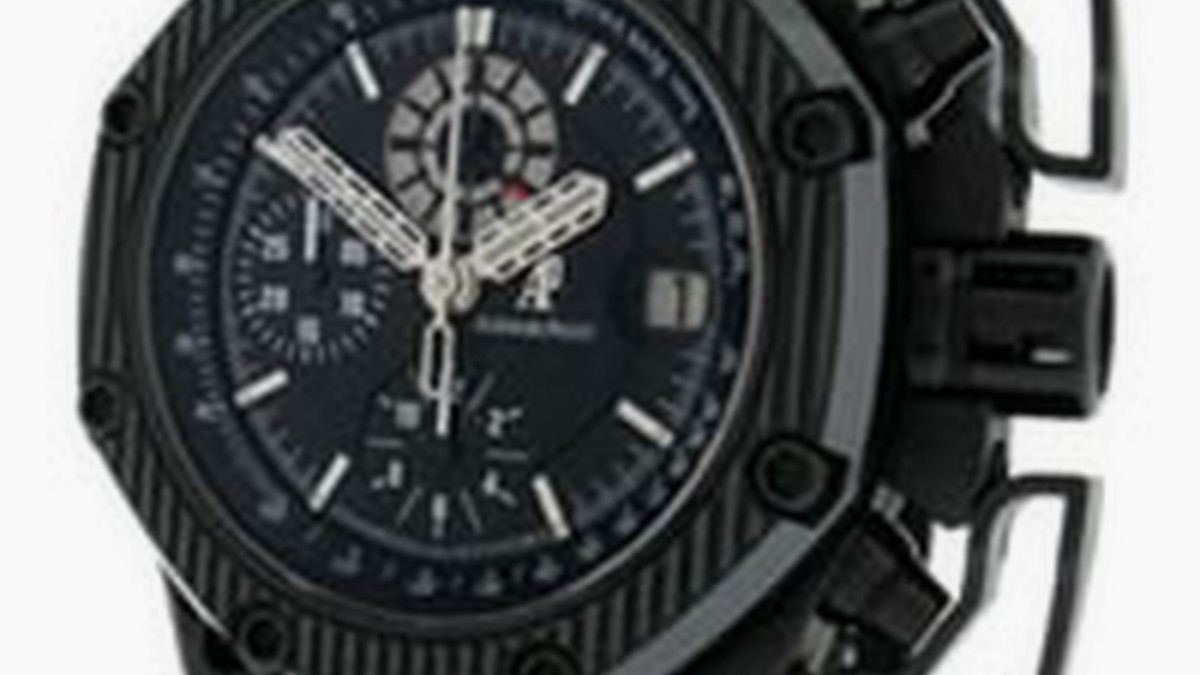
There is no universal answer. A simple time/date Royal Oak avoids chronograph complexity but exposes case and bracelet finishing. An Offshore can hide minor finishing flaws visually, yet its chronograph layout and thickness are harder to reproduce.
Is a 39 mm Jumbo just a smaller 41 mm Royal Oak?
No. The Jumbo has its own extra-thin proportions, Petite Tapisserie identity and movement architecture. Use the 15202 vs 16202 guide rather than judging by diameter alone.
Does a clone movement make a watch better?
Not automatically. A clone-style movement may improve visual or dimensional similarity, but execution, reliability and parts availability vary. A serviceable movement can be preferable for some buyers.
What is the most important Royal Oak QC photo?
A straight-on dial photo is essential, but no single photo is enough. Pair it with a side profile and bracelet/caseback views. Chronographs also need a function video.
Can I trust the water-resistance number in a listing?
Do not treat a generic rating as proof for an individual watch. If water exposure matters, request or obtain a pressure test for the actual piece.
What does Tapisserie mean in a replica comparison?
It is the patterned dial texture associated with Royal Oak families. Different references use different scales such as Petite, Grande and Méga Tapisserie, so “waffle dial” is too generic for precise comparison.
Royal Oak or Offshore for a first AP-style watch?
Choose Royal Oak if the integrated bracelet and slimmer design are the priority. Choose Offshore if you want stronger wrist presence, chronograph styling and strap versatility.
Should price determine the tier?
No. Use price after you have identified the movement, case, dial, bracelet/strap, QC and seller terms. Price without configuration is weak evidence.
Can a reliable movement still make a poor replica?
Yes. Reliability and reference accuracy are separate. A durable movement can force the wrong case thickness or subdial geometry, while a visually accurate clone-style movement can be harder to service.
Why do two “41 mm” AP replicas wear differently?
Case thickness, first-link geometry, bracelet stiffness and effective span all affect wear. Nominal diameter is only one dimension.
Should I trust factory comparison photos?
Use them as orientation, not proof of the individual watch. Factory marketing photos often show the best sample and ideal lighting. Individual QC is still necessary.
Is ceramic automatically higher tier than steel?
No. Material choice should match the target reference. A poor ceramic execution can be less convincing than a well-finished steel build.
What should I check after delivery?
Repeat time/date or chronograph functions, inspect the watch against QC, test bracelet/clasp operation and obtain an independent pressure test before water exposure.
How much should official AP specifications influence a replica purchase?
Use them to define the target, not to assume equal performance. Official dimensions, dial pattern, material configuration and calibre functions tell you what the genuine reference is supposed to be. A replica should be compared against those visible and functional baselines. Water resistance, power reserve and material composition still belong to the individual replica and should be verified separately.
Why is AP bracelet finishing discussed so often?
The Royal Oak bracelet is part of the case design rather than a detachable afterthought. Brushed surfaces, polished bevels, taper and first-link articulation are visible from almost every angle. A weak bracelet can make an otherwise strong dial and case feel generic.
Do I need a pressure test if I never swim with the watch?
Not necessarily, but a basic pressure test can still reveal assembly or gasket issues if water resistance is part of the seller’s claim. If you plan to keep the watch away from water, movement function, case/bracelet finishing and return terms may deserve higher priority.
What is a sensible first comparison if I am new to AP?
Start with Royal Oak versus Offshore, then choose one reference family and learn its size and dial pattern. Avoid comparing a dozen factories at once. Once you understand one target—such as a 41 mm 15510-style Royal Oak—you can judge case, bracelet and movement differences much more consistently.